
London ULEZ for vans 2026: the complete guide to charges, fines, and tunnel tolls
| Written by: Craig Cheetham | Last updated: 5th March 2026 |
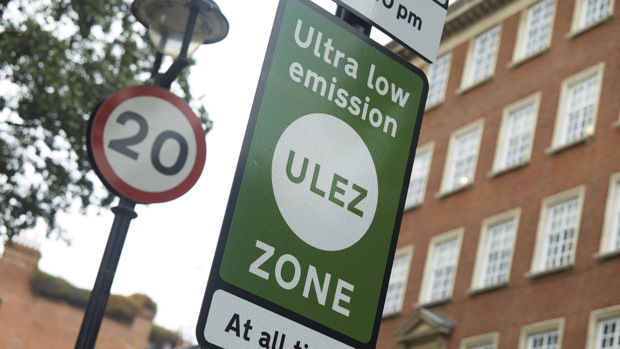
The Ultra Low Emission Zone (ULEZ) was introduced in London in 2019, to reduce air pollution and encourage the use of cleaner vehicles. The ULEZ operates in addition to the central London congestion charge and operates for 24 hours a day, seven days a week.
It applies to a wide range of vehicles, including vans. Understanding the rules regarding ULEZ, which vans are compliant and which are not, is essential for businesses and individuals who rely on their vans for work.
London ULEZ 2026: The basic rules for van drivers
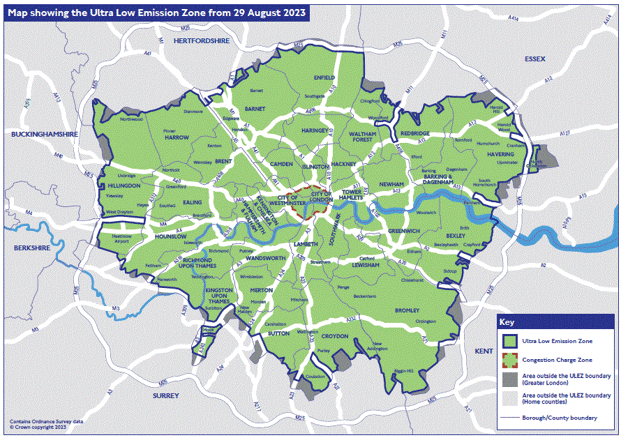
The ULEZ was first launched in central areas of London in April 2019 and in 2023 was expanded to cover most of the area inside the M25.
The zone aims to improve air quality by discouraging the use of vehicles that produce high levels of pollutants such as nitrogen oxides (NOx) and particulate matter. Vehicles that do not meet the required emission standards must pay a daily charge to enter the zone.
The ULEZ operates in addition to the Congestion Charge. Other cities, such as Birmingham and Manchester, have introduced similar Clean Air Zones (CAZ) with comparable rules.
If you drive a non-compliant van within the ULEZ, you must pay the daily charge of £12.50. Failure to pay may result in a penalty charge notice (PCN) of £180, reduced to £90 if paid within 14 days. The charge applies midnight to midnight, so if you enter or leave the zone before and after midnight, you may need to pay twice.
ULEZ emission standards for vans
For vans, the ULEZ emission standards are as follows:
- Diesel vans: Must meet Euro 6 emission standards (introduced in September 2016 for new vehicles).
- Petrol vans: Must meet Euro 4 emission standards (introduced in January 2006 for new vehicles).
Any van that does not meet these standards will be subject to the ULEZ daily charge, which is currently £12.50 per day.
The standards are based on the European emission regulations, which set limits for pollutants emitted by vehicles. The Euro 6 standard for diesels is much stricter than previous standards, significantly reducing NOx and particulate emissions.
Types of vans covered by ULEZ
The ULEZ rules apply to the following categories of vans:
- Light commercial vehicles (LCVs): Including panel vans, pick-ups and car-derived vans.
- Minibuses: With up to 17 seats.
- Campervans and motorhomes: If registered as vans or LCVs.
Heavy goods vehicles (HGVs), buses and coaches are subject to different emission standards and charges, but this guide focuses specifically on vans.
ULEZ-compliant vans
A ULEZ-compliant van is one that meets or exceeds the required emission standards. Most petrol vans registered after January 2006 and diesel vans registered after September 2016 are compliant. Here are some examples:
- Petrol vans: Ford Transit (Euro 4+), Vauxhall Combo (Euro 4+), Volkswagen Caddy (Euro 4+)
- Diesel vans: Mercedes-Benz Sprinter (Euro 6), Ford Transit Custom (Euro 6), Peugeot Partner (Euro 6), Renault Trafic (Euro 6)
- Electric vans: All electric vans are ULEZ compliant, as they produce zero tailpipe emissions. Examples include Nissan e-NV200, Renault Kangoo Z.E, VW e-Crafter and Maxus eDeliver 3.
- Hybrid vans: If they meet Euro 6 for diesel or Euro 4 for petrol, they are compliant.
It is important to check the vehicle’s V5C registration certificate or use the Transport for London (TfL) online vehicle checker to confirm compliance, as some older models may have been retrofitted or have different specifications. Similarly, some older petrol models are Euro 4 complaint, even if registered before 2006.
Non-ULEZ-compliant vans
Non-compliant vans are those that do not meet the required Euro emission standards. These are typically:
- Diesel vans registered before September 2016: Most Euro 5 or older diesel vans, such as older Ford Transit, Volkswagen Transporter, Vauxhall Vivaro and Mercedes-Benz Vito models.
- Petrol vans registered before January 2006: Older petrol vans, including early versions of the Citroën Berlingo or Peugeot Partner.
- Some imported or modified vans: Vehicles not certified to the correct Euro standard may also be non-compliant.
Owners of non-compliant vans must pay the daily ULEZ charge or consider upgrading to a compliant vehicle.
How to check if your van is ULEZ compliant
To determine whether your van is ULEZ compliant, you can:
- Check the emission standard on your V5C registration certificate.
- Use the TfL online ULEZ vehicle checker by entering your registration number
Note that compliance is determined by the vehicle’s emission standard, not its age. Some older vehicles may have been upgraded to meet newer standards, but this must be officially certified.
The 2026 congestion charge shift: Electric vans are no longer free
Electric vans have historically enjoyed exemptions from the London Congestion Charge, as well as benefitting from the Cleaner Vehicle Discount, which was introduced to incentivise the uptake of low-emission vehicles in the capital.
These exemptions meant that businesses operating electric vans could navigate central London without incurring daily charges, but increasing congestion within the central Congestion Charging Zone (which is separate to the ULEZ) means that from January 27, 2026, electric vehicles are no longer exempt from the fee.
The Cleaner Vehicle Discount, initially available to vehicles emitting 75g/km or less of CO2 and meeting Euro 6 standards, gradually tightened its eligibility criteria.
From October 2021, only zero-emission vehicles have qualified for the discount, which is 25% for cars or 50% for vans. You can register your vehicle with Transport for London and reduce the daily congestion charge from £18 to £9, but only if you set up an Auto Pay account.
New for 2026: Blackwall and Silvertown tunnel tolls
In April 2025, a new tunnel opened adjacent to the existing Blackwall Tunnel to reduce congestion crossing the River Thames.
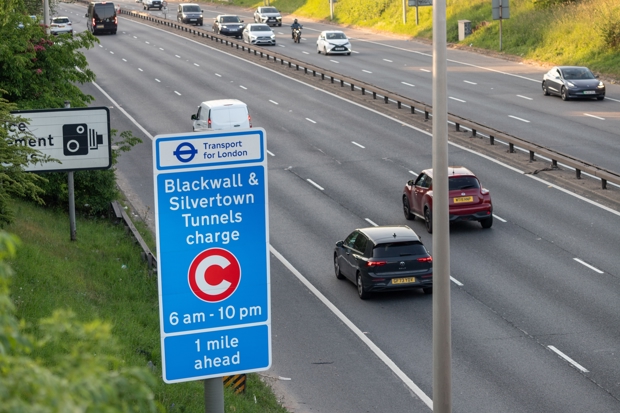
The new Silvertown Tunnel connects the north of the city to the Greenwich Peninsula, but when it opened, it also saw the introduction of tolls for using both it and the neighbouring Blackwall Tunnel.
- Small vans (using Auto Pay): £1.50 off-peak / £4.00 peak
- Large vans (using Auto Pay): £2.50 off-peak / £6.50 peak
- Without Auto Pay (phone/online): £4.00 for small vans / £6.50 for large vans at all times
- Peak hours: Monday to Friday, 06:00–10:00, 16:00–19:00.
- Off-peak: All other times between 06:00 and 22:00 (including weekends).
- Night time: No charge between 22:00 and 06:00
From 2 January 2026, a 50% discount on the tunnel charge was introduced for electric vans, HGVs, and quadricycles, providing they are registered with Auto Pay.
ULEZ exemptions and grace periods for 2026
There are a limited number of exemptions available for the ULEZ, though many of these are subject to a grace period that expires in 2027. They are:
'Disabled' and 'Disabled Passenger Vehicle' Tax Class vehicles
Disabled people whose vehicles are registered with the DVLA as having 'disabled' or 'disabled passenger vehicle' tax class benefit from a grace period which exempts them from paying the ULEZ charge until 24 October 2027. This is valid as long as their vehicle doesn't change tax class.
Wheelchair accessible vehicles (WAV)
This grace period is open to wheelchair accessible cars and vans that do not meet ULEZ emissions standards and that have been converted by mobility experts to allow a disabled person to access the vehicle as driver or passenger. To be eligible, the WAV needs to be fitted with one of the following adaptations:
- A permanently fitted foldable ramp or a powered lift allowing the wheelchair user to enter the vehicle
- An electric or hydraulic hoist to lift a person or wheelchair into the vehicle
- A swivel seat on either the passenger or driver side of the vehicle
- An accelerator ring permanently fitted to the steering wheel of the vehicle
The vehicle must be registered with the DVLA in the name of the applicant and the owner will not need to pay the ULEZ charge for their vehicle until 25 October 2027.
Taxis
London-licensed taxis are exempt from ULEZ charges. Older, more polluting taxis are subject to a 12 year age limit, with newer, cleaner taxis extended to 15 years.
All newly licensed taxis must be zero emission capable (ZEC) vehicles.
Minibuses used for community transport
Many not-for-profit organisations that operate minibuses used for community transport can register for a temporary 100% discount of the ULEZ charge until 24 October 2027. These are minibuses that carry passengers on a not-for-profit basis. For example, for educational, religious, social welfare reasons, or other activities that benefit the community.
The grace period ends on 24 October 2027. After this date, all minibuses will need to meet the ULEZ emissions standards or pay the daily ULEZ charge.
Historic vehicles
Two categories of historic vehicles are exempt from ULEZ:
- All vehicles built before 1 January 1973
- Vehicles over 40 years old that have been successfully registered with the DVLA for a historic vehicle tax class
Other exempt vehicles
A small number of vehicle types currently exempt from the LEZ are also exempt from the ULEZ charge. These include:
- Specialist agricultural vehicles
- Military vehicles
- Non-road going vehicles which are allowed to drive on the highway (for example, excavators)
- Certain types of mobile cranes
Fines and appeals: How to handle a £180 penalty charge notice (PCN)
The fine for driving within the ULEZ without paying is £180, which can be reduced to £90 if paid within14 days.
If you receive a ULEZ (Ultra Low Emission Zone) fine, the first step is to check the details on the Penalty Charge Notice (PCN) to ensure all information is correct. Make sure your vehicle was actually in the ULEZ zone at the time stated and that the charge applies to your vehicle type. If you believe the fine is unjustified, you have the right to appeal.
To appeal, follow the instructions provided on the PCN. Typically, you can appeal online, by post, or sometimes by phone.
Clearly state your reasons for contesting the fine and provide any supporting evidence, such as proof of payment, a valid exemption, or evidence that your vehicle meets the emissions standards. Be sure to submit your appeal within the deadline specified on the notice, usually within 28 days.
If your appeal is unsuccessful, you may have further options to escalate your case to an independent adjudicator.
Remember to keep copies of all correspondence and evidence related to your appeal for your records. Also bear in mind that if you simply didn't realise you were within the ULEZ or forgot to pay, this is not considered grounds for appeal and your are unlikely to have the charge quashed.
The 2026 switching audit: Does an electric van still pay off?
Although electric vans in London are no longer exempt from the congestion charge, they still offer several advantages that may make them a sensible choice — not last because the charging infrastructure in the capital is better than most of the UK.
The primary benefit remains their significantly lower running costs compared with diesel or petrol alternatives. Electricity is generally cheaper than fuel and maintenance costs tend to be lower due to fewer moving parts and less wear and tear. .
While the loss of congestion charge exemption is a setback, the overall savings make electric vans a good option for London-based businesses, sole traders and drivers.
ULEZ for vans: Frequently Asked Questions
Do electric vans have to pay the London congestion charge in 2026?
Yes — from January 27, 2026, electric vehicles have had to pay the £18 a day congestion charge in central London, though this can be reduced by 50% for electric vans if you register for Auto Pay, when you'll pay £9 per day.
What is the difference between a small van and a large van for tunnel tolls?
Small vans are generally those with a Gross Vehicle Weight (GVW) below 2.5 tonnes. You can check whether your van is classed as large or small here.
How can I appeal a ULEZ fine if I simply forgot to pay?
You can't — forgetting to pay is not deemed a fair excuse, but if you pay within 14 days you can reduce the Penalty Charge from £180 to £90.
Is the London van scrappage scheme still open for applications?
Do I need to pay ULEZ and congestion charge on the same day?
Yes — they are separate charges but the congestion charge only applies to central areas of the city.
Are there any discounts for small businesses or charities in 2026?
Some charities and not-for-profit are eligible for a grace period until October 2027, but there are no small business discounts.
Can I retrofit my old diesel van to make it ULEZ compliant?
You can, but retrofitting is often expensive and only really makes sense for heavy goods vehicles and buses. Buying a new, ULEZ-compliant van makes more sense.
Is the M25 inside the ULEZ boundary?
No — the whole of the motorway is outside the ULEZ, but be careful when exiting the motorway as some trunk roads that come off it run directly into the ULEZ zone, such as the routes around Heathrow Airport.
