
Electric van BIK to stay at 20% until 2019
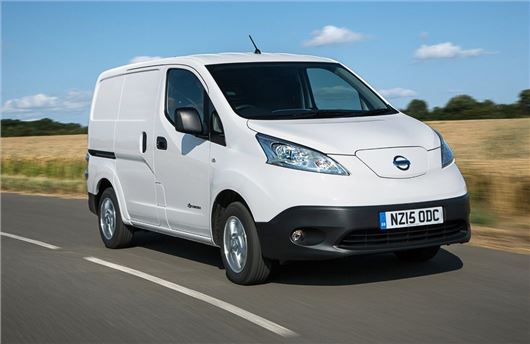
The Government has deferred the planned increase in BIK tax for electric vans, meaning it will stay at 20 per cent of the rate of a diesel or petrol van until 2018.
However, with very few electric vans on the road and even fewer used for private use, the change will only benefit a handful of people.
The move means the planned increase to a 40 per cent of the standard van BIK rate will be deferred until 2018. It will then rise each year. The Government says the move is aimed at encouraging cleaner technology and less polluting vehicles.
That means a 60 per cent of the conventional van benefit charge in 2019 to 2020, 80 per cent in 2020 to 2021 and 90 per cent in 2021 to 2022.
From 2022 to 2023, the BIK rate for zero emission vans will be 100 per cent of the benefit charge for a conventionally-fuelled van. So essentially there will be no benefit to having an electric van if you're being taxed on it for private use.
The tax only applies when a van is made available to an employee and is also made available for private use. As ever, a van is defined as a work vehicle up to 3.5 tonne but work buses and crew vans are exempt. These are not defined as vans but as people carriers, so even when using a van-based chassis, the van benefit charge does not apply.
 David Ross
 Iveco unveils world’s first road-ready electric van with wireless charging
 VW Transporter Commerce Pro S: New sporty high-spec edition priced from £43,050
 New Mitsubishi L200 2026: Summer release date confirmed with expected £33k price tag
 Volkswagen reveals bare "blank canvas" Multivan Camper for custom fits
 New 2026 VW Transporter Sportline: prices, specs and 'Sportline 75' limited edition
 2026 Mercedes-Benz Marco Polo: new in-house camper to take on VW California
 2026 Ford Ranger revised: hands-free BlueCruise tech and new PHEV Platinum trim



